It was October 19, 2001. In the wake of the 9/11 attacks in New York, safety measures in airports were strict: only passengers with a valid boarding pass were allowed inside the terminal at Porto’s airport, in Portugal. And so I had to say goodbye to my parents and my boyfriend just outside the doors, then walk on my own, my things packed in 2 big suitcases and a bag, a backpack with a computer on my back. I don’t really remember if it was raining or not, just the plane full of Celtic fans singing and a feeling of exhilaration and dread, of sadness and joy, all mixed up.
I was on my way to do a PhD in structural biology, at Oxford, UK. Three, maybe four years and then I would be back home to Porto, I thought. When I got to Oxford, my supervisor, Jon Grimes, was waiting at the bus stop and helped me carry my bags to the hall where I would stay for now. It was all new and exciting, and scary. Over the next couple of days, I also met with my co-supervisor Dave Stuart, Dennis Bamford and his team, our collaborators from Finland, and everyone in Strubi, who would become friends over the next few years.
Those three to four years turned into 25. I didn’t exactly plan it that way, it just so happens that the UK has been the place offering the opportunities I was looking for at each step of my research career.
First, a postdoc once I completed my PhD. London was calling, it had been calling since 1995, when I visited with my parents.
For a while, I thought I didn’t want to be a PI, I liked being on the bench, doing experiments, collecting data so a second postdoc, now at Imperial College London, was the next choice. But the more experienced I became, the more I realised I liked being the one asking the questions, designing the experiments and I changed my mind.
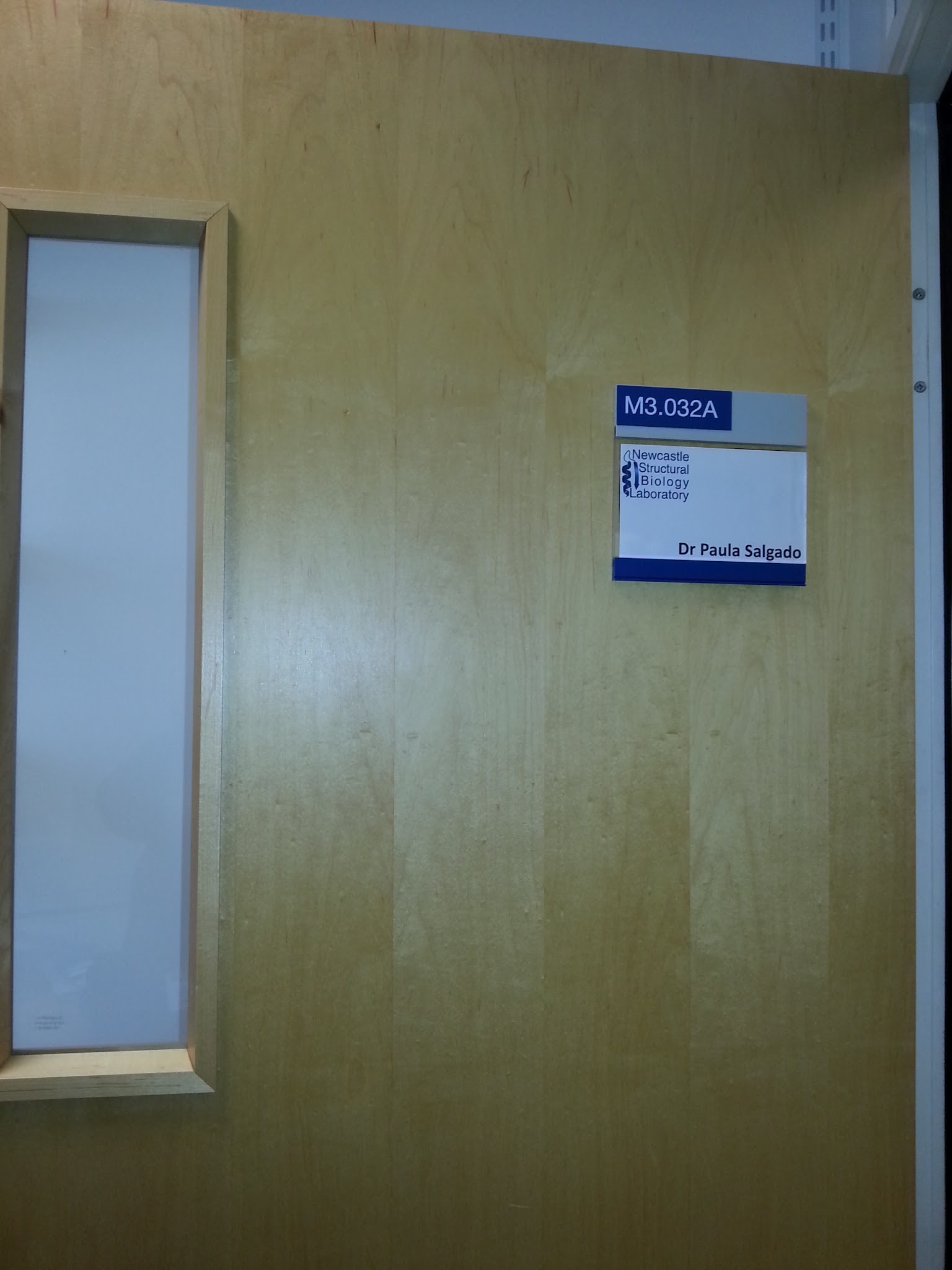
I started planning for fellowship and job applications, a route to independence. The path there was somewhat unexpected, with a detour as a postdoc in Neil Fairweather’s lab, defining C. difficile as my “niche” topic and a lectureship at Newcastle University providing a home to set up the “Salgado lab”.
Moving to the North East of England meant being close to the sea again, something I missed so much!
(Did you know Oxford is among the cities where you need to drive longest to get to see the sea?! I didn’t when I moved there and it was one of the things I missed the most in those first weeks and months after moving there!)
And the North Sea is so beautiful, the beaches are amazing! Shame it’s too cold for most of the year to enjoy a swim, but I love being so close I can just hop on the car and sit there, watching the waves crash and letting that familiar salted smell fill my lungs. It takes me home - or is this home now?…
When I first asked myself that question, I remember thinking that I’m really lucky to have two places I call home: Portugal, where I grew up, where my family and friends are; and the UK, where I’ve built my career, my adult life.
This happy feeling of multiple roots was shattered in June 2016, when suddenly a feeling of “otherness” was overwhelming. Not surprising, but shocking nevertheless, Brexit really made me question if there was a future for us here. Despite the personal impact, my career was going well, and the UK still was a good place to do science, even if a bit less so and certainly feeling less open and welcoming. So, we stayed and deepened our roots here, built a family as well as a career, and became British citizens.
Things have changed dramatically since that October day, when I got on a plane, ready for the challenges, both in science and in life. Research funding, especially for discovery science, is now so competitive in certain calls that a lottery would probably be better… The university system is struggling with multiple challenges and demands. Immigration remains a hot topic. Times are uncertain but I’m still here.
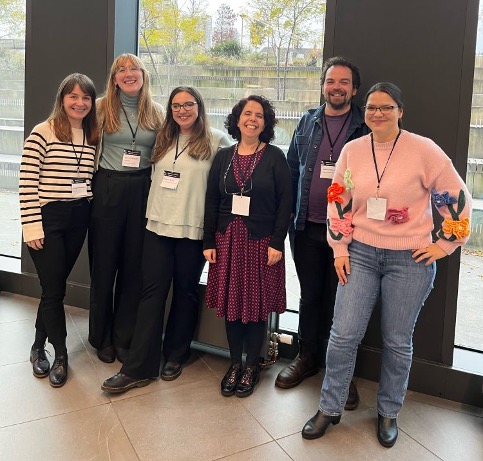
25 years, 1 PhD, >30 papers, 5 grants, 6 supervised PhDs, 8 house moves, 2 cats, 1 son and many friends later, for me, the UK is still the place to do research. It is home too.