My first Clostridial conference: ClostPath 14 Paris, September 2025
As a student coming towards the end of the first year of my PhD (and my first year working in Clostridial biology) I was very excited for ClostPath 2025. Firstly, I was in awe of the location as the Pasteur Institute is steeped in biological history, with Louis Pasteur himself proving the existence of bacteria and developing the first laboratory-produced vaccine! I was also very excited about the people. I am aware this might make me sound super nerdy, but I had spent the past year reading as many papers about Clostridioides difficile as I could and almost all of the authors were going to be there — I felt like I was going to a conference filled with celebrities (well, celebrities in the ‘diff’ world). It was safe to say I was a little intimidated by the thought of the conference as well as being excited.
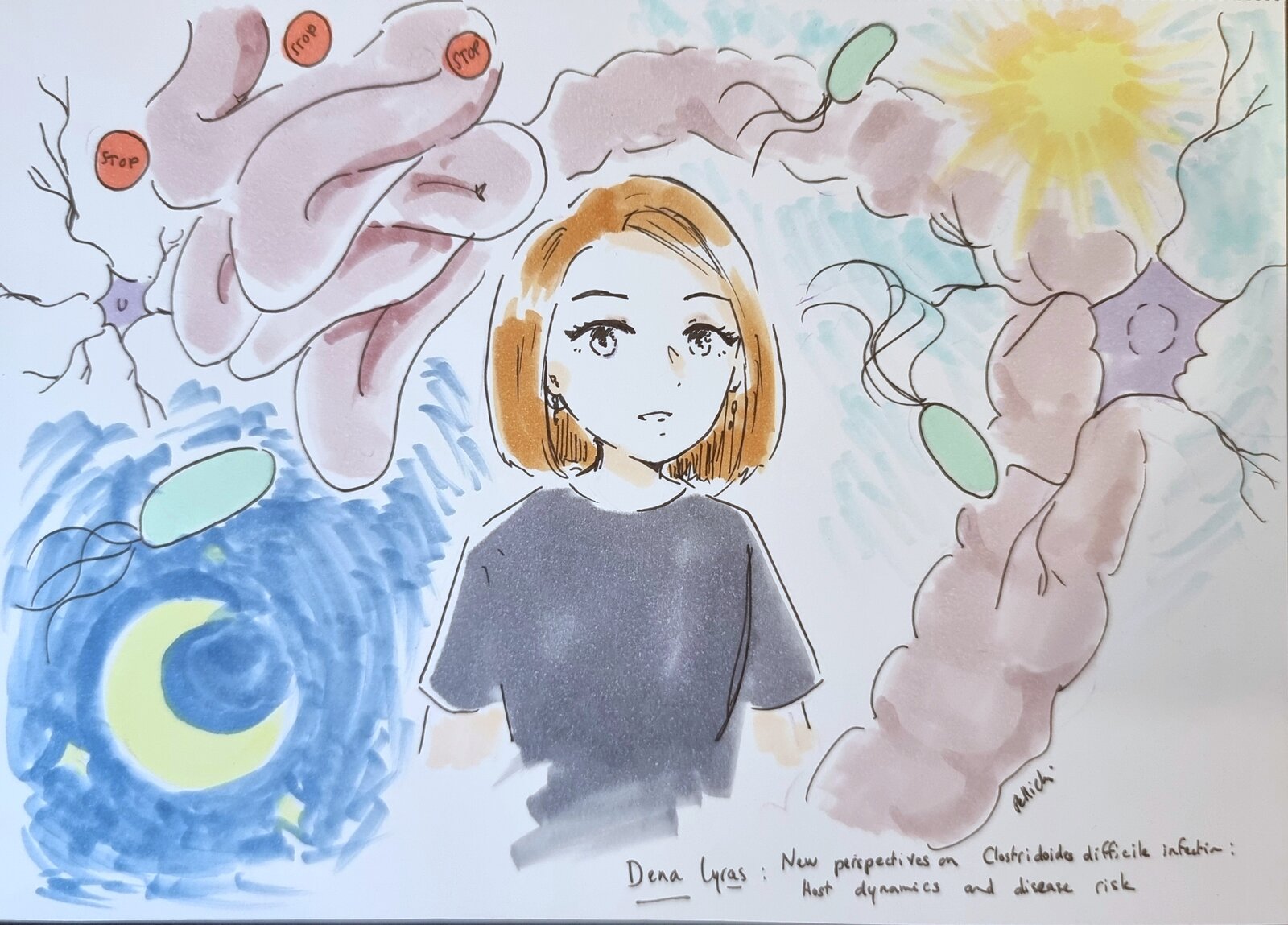
The pre-conference nerves were immediately put at ease by the young scientists meeting. There was a small collective groan when we were told to get into groups with people we didn’t know and complete “ice-breaker” questions, but in the end we all felt this activity really did succeed in “breaking the ice”. It made us all feel much more relaxed and as a result, I think we all felt less daunted by the thought of the rest of the conference as we knew there would be familiar faces amongst the crowd. We were then treated to the keynote address made by Prof. Dena Lyras, my second PhD supervisor and our close collaborator. Dena spoke on host dynamics and disease risk with some really interesting preliminary data on the effects of circadian rhythms on C. difficile infection. We were then wined and dined (cocktail hour and finger food) and got to have a catch up with colleagues and make new acquaintances before turning in for the night.
Illustration by Pellichi
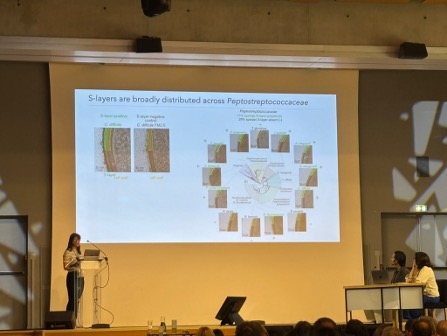
The next few days passed in a blur with many interesting talks and a jam-packed schedule. One of the highlights for me was the phage and surface session chaired by our lab leader Prof. Paula Salgado in which our own post-doctoral researcher Anna Barwinska-Sendra gave a talk on the S-layer, presenting the findings that have been published in our lab’s latest paper. In her talk she spoke about the evolution of the S-layer and the large diversity seen across Clostridia with an emphasis on the Peptostreptococcaceae family.
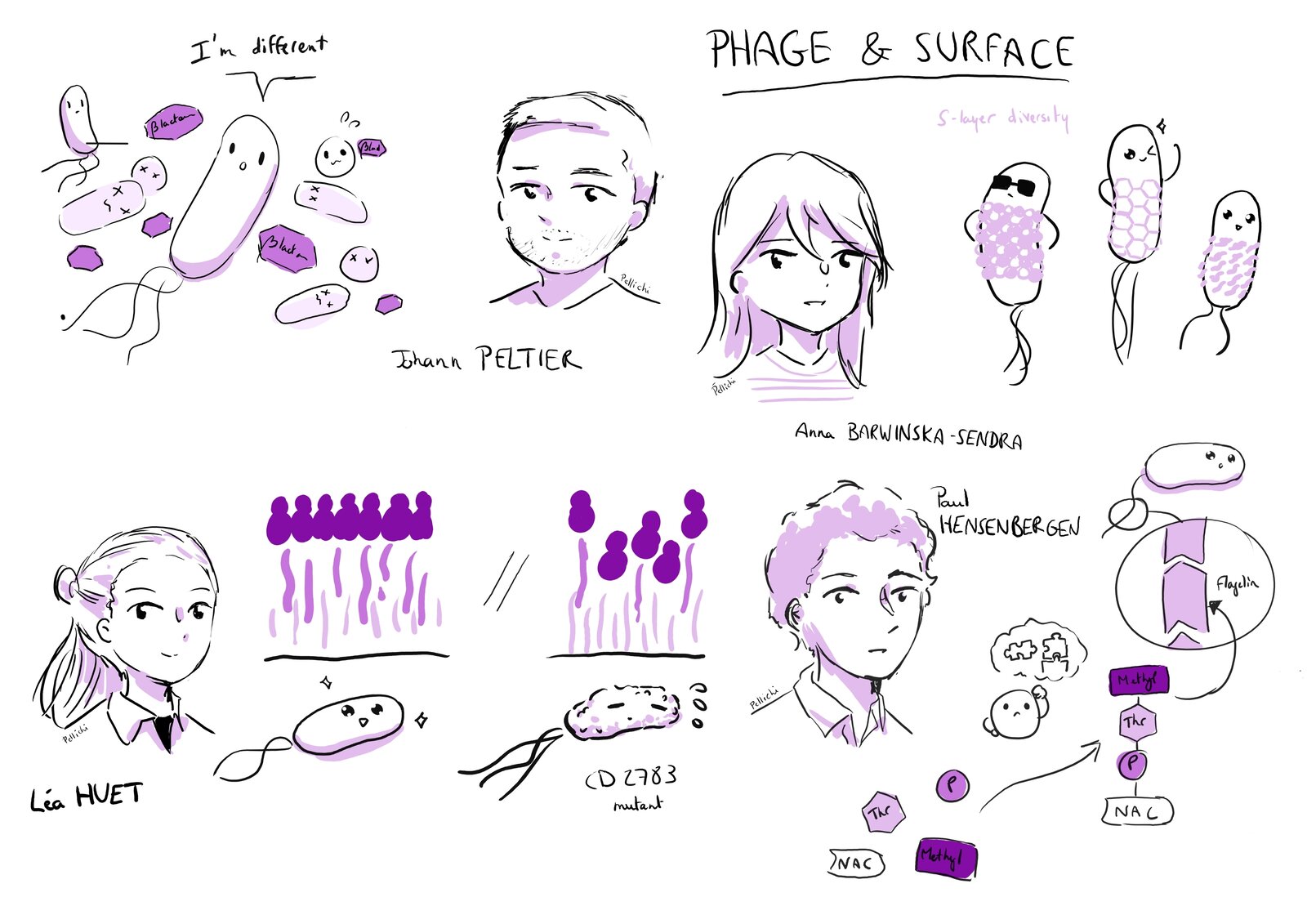
Illustration by Pellichi
We were treated to two invigorating poster sessions where I was able to present the preliminary findings of my PhD project — investigating the structure and function of the S-layer in C. difficile and its role in disease severity. These sessions allowed for lots of stimulating conversation and led to many future collaboration projects for the lab.
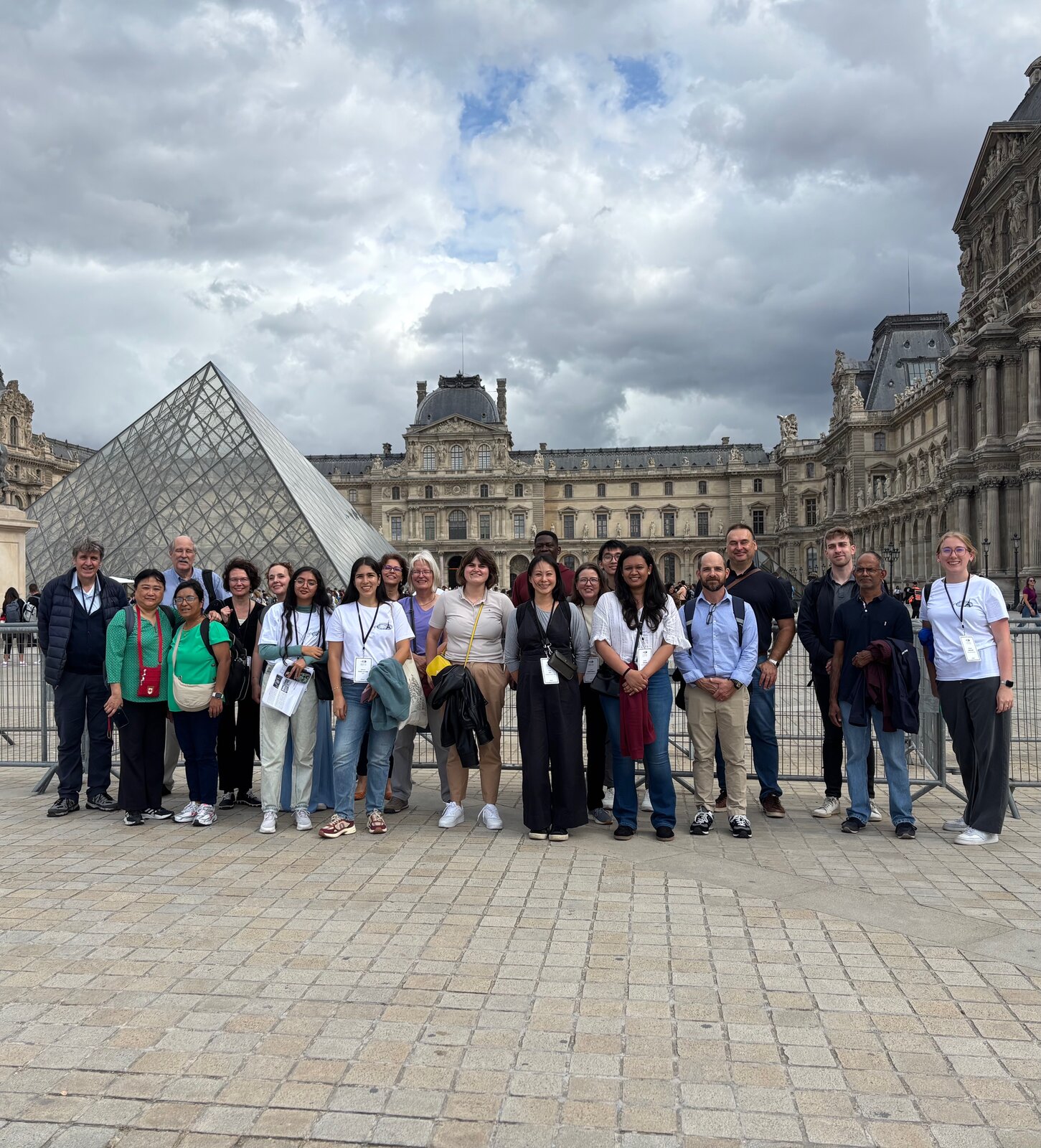
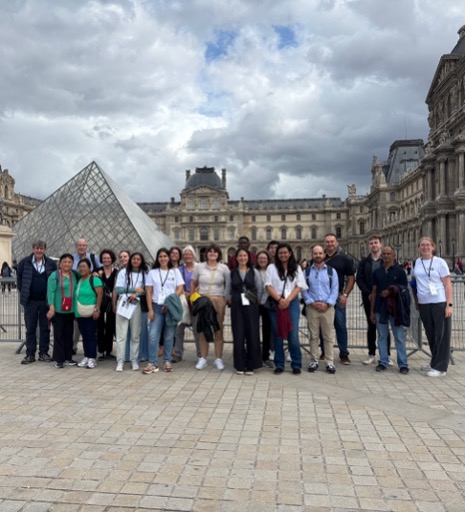
Wednesday afternoon brought with it the “social activities” timeslot where I had volunteered to lead a guided tour of some of the main sites of Paris — apparently spending 3 months living near to Paris qualified me for this somehow!? Starting at the Institut Pasteur, we wandered by the Louvre, the Tuileries Garden, Place de la Concorde, the Champs-Élysées, the Grand Palais, the Petit Palais and finally the Pont Alexandre III (arguably the prettiest bridge over the Seine — although there are a lot to choose from). We had managed to avoid the scattered showers throughout the afternoon but the heavens opened just as we were finishing talking about Napoleon’s tomb in Les Invalides, so we high tailed it to our final stop for the evening — a bar on a boat on the Seine.
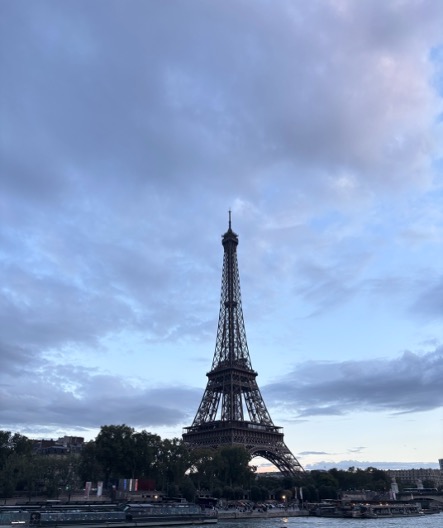
The closing of the conference brought with it the news of the location of the next ClostPath 2027 and we were all very excited to hear it will be in… Rio de Janeiro! We then all headed to our gala dinner which this year was held on a boat on the Seine. We cruised down the Seine at sunset, past the Eiffel Tower as it sparkled and sung our hearts out when the inevitable karaoke session started.
My time at ClostPath 14 showed me just how friendly and welcoming the Clostridia community are, in particular to early-career researchers. This was especially evident in the poster sessions where I felt very supported to talk about my work with everyone from other PhD students to the PIs of other labs. It was also felt throughout the conference with the sessions being chaired by one ECR and one experienced researcher and many of the talks being given by students and postdocs as well as PIs. Bring on ClostPath 2027!