- 19 Nov, 2026
- Anna Barwinska-Sendra
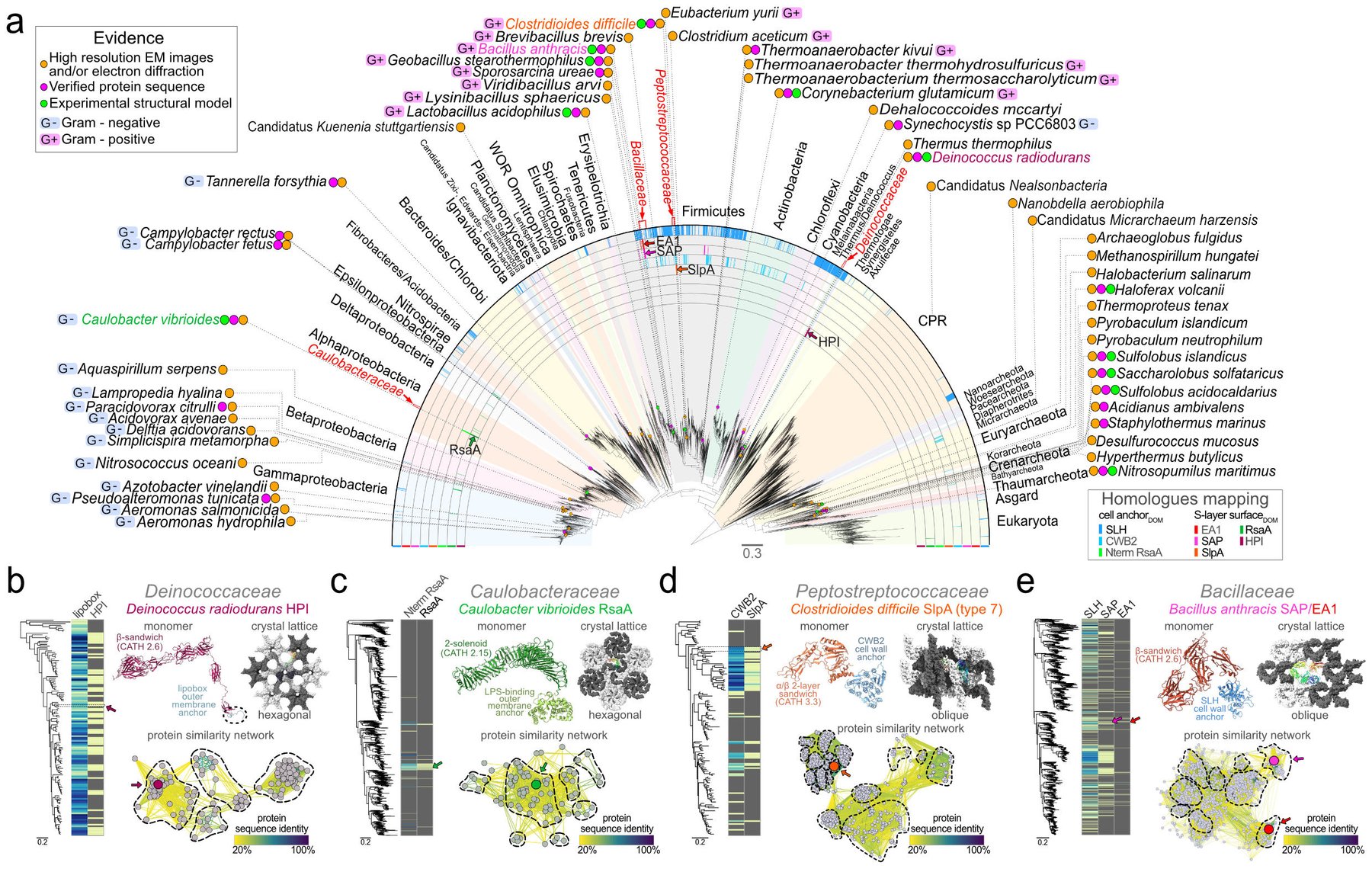
Flexible armour: evolutionary plasticity of bacterial S-layers
I am absolutely thrilled to share that our latest research, “Evolutionary plasticity of …
Read More
Our C. difficile Structural Microbiology group focuses on detailed structural and functional characterisation of proteins involved in key pathogenicity pathways in this major human pathogen. We are particularly interested in Clostridioides difficile spores, the dormant, resistant cell forms that are the transmission vehicle, as well as surface proteins and their role in infection.
Learn more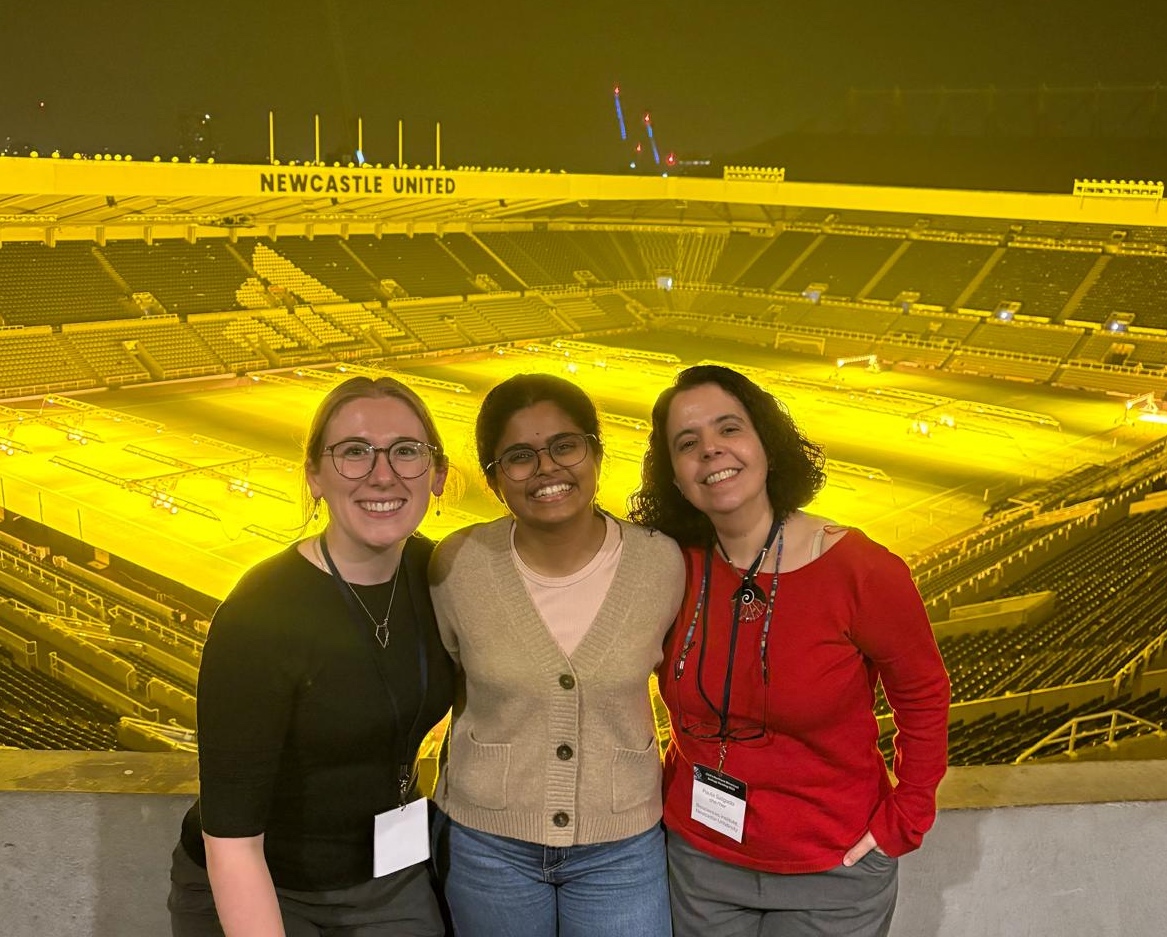
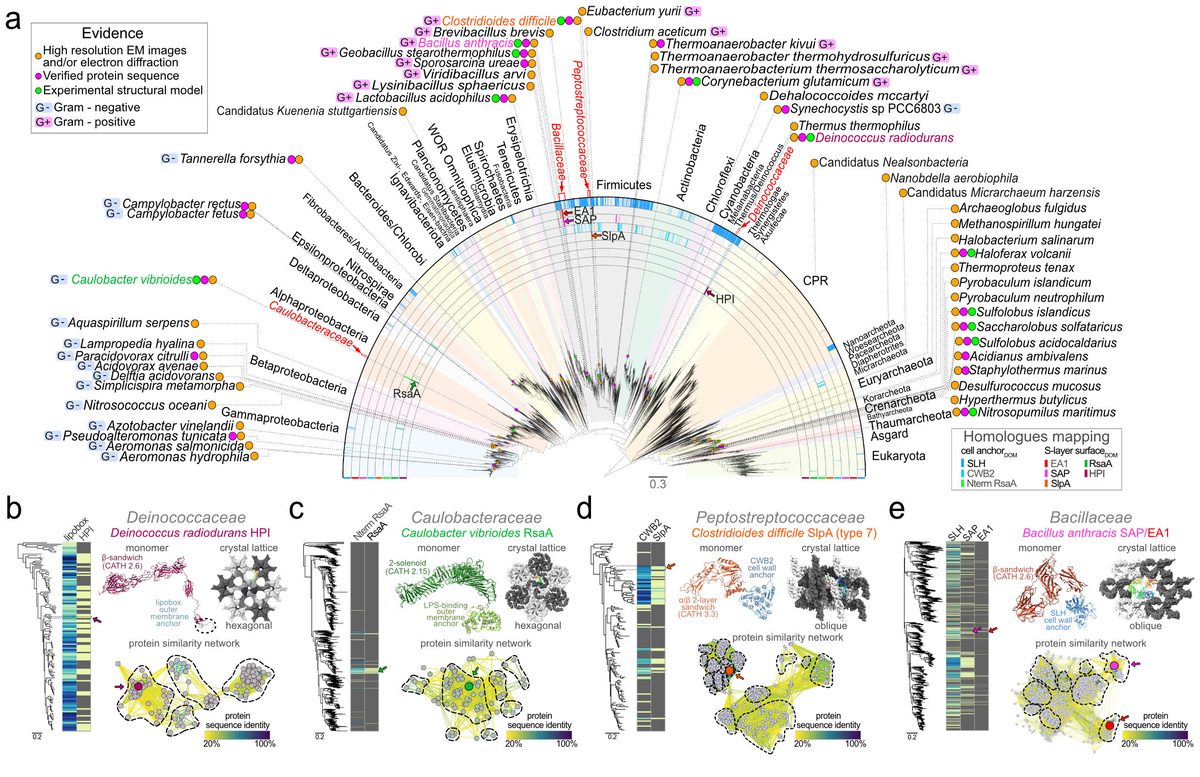
Nature Communications, 2026
Abstract All cellular life possesses environmental interfaces like cell membranes or cell walls, yet …
Read More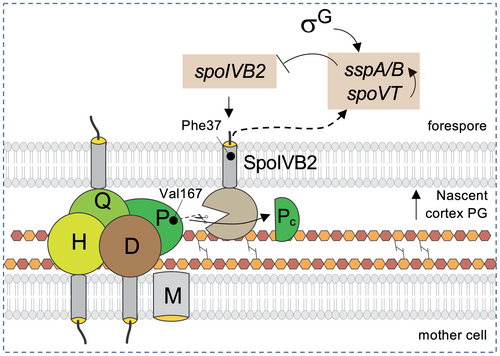
Molecular Microbiology, 2024
Abstract In the model organism Bacillus subtilis, a signaling protease produced in the forespore, …
Read More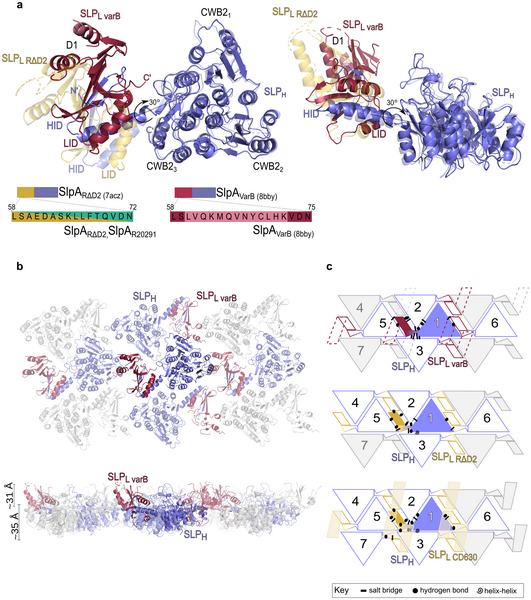
PLoS Pathogens, 2023
Abstract Clostridioides difficile is responsible for substantial morbidity and mortality in …
Read More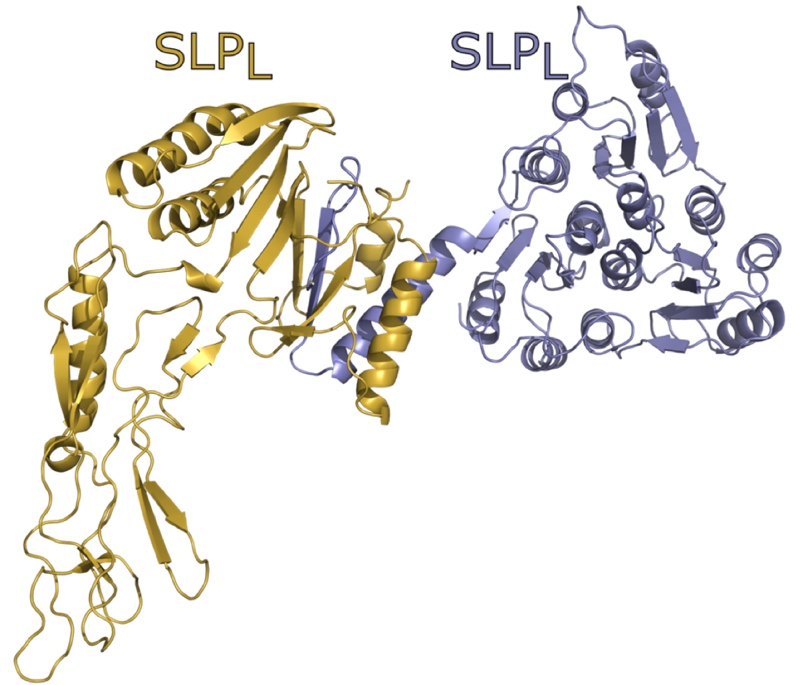
Nature Communications, 2022
Abstract Many bacteria and archaea possess a two-dimensional protein array, or S-layer, that covers …
Read More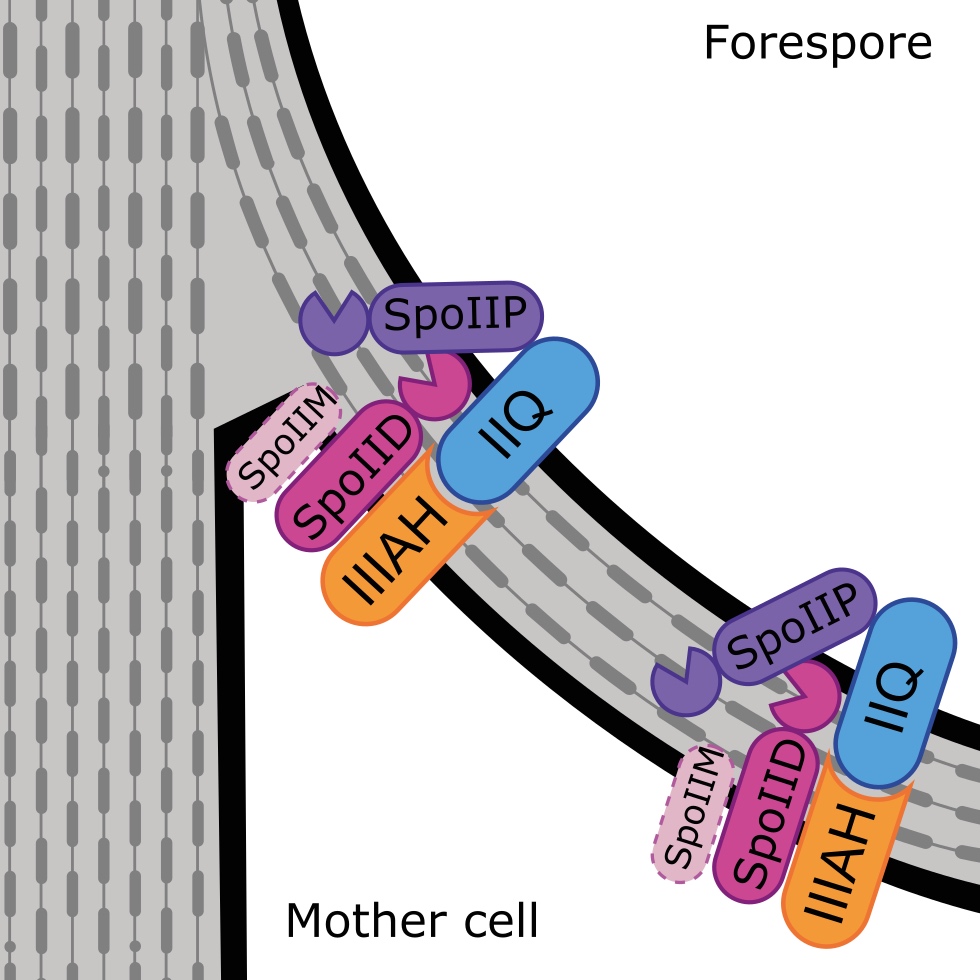
Molecular Microbiology, 2018
Abstract Clostridium difficile remains the leading cause of antibiotic-associated diarrhoea in …
Read More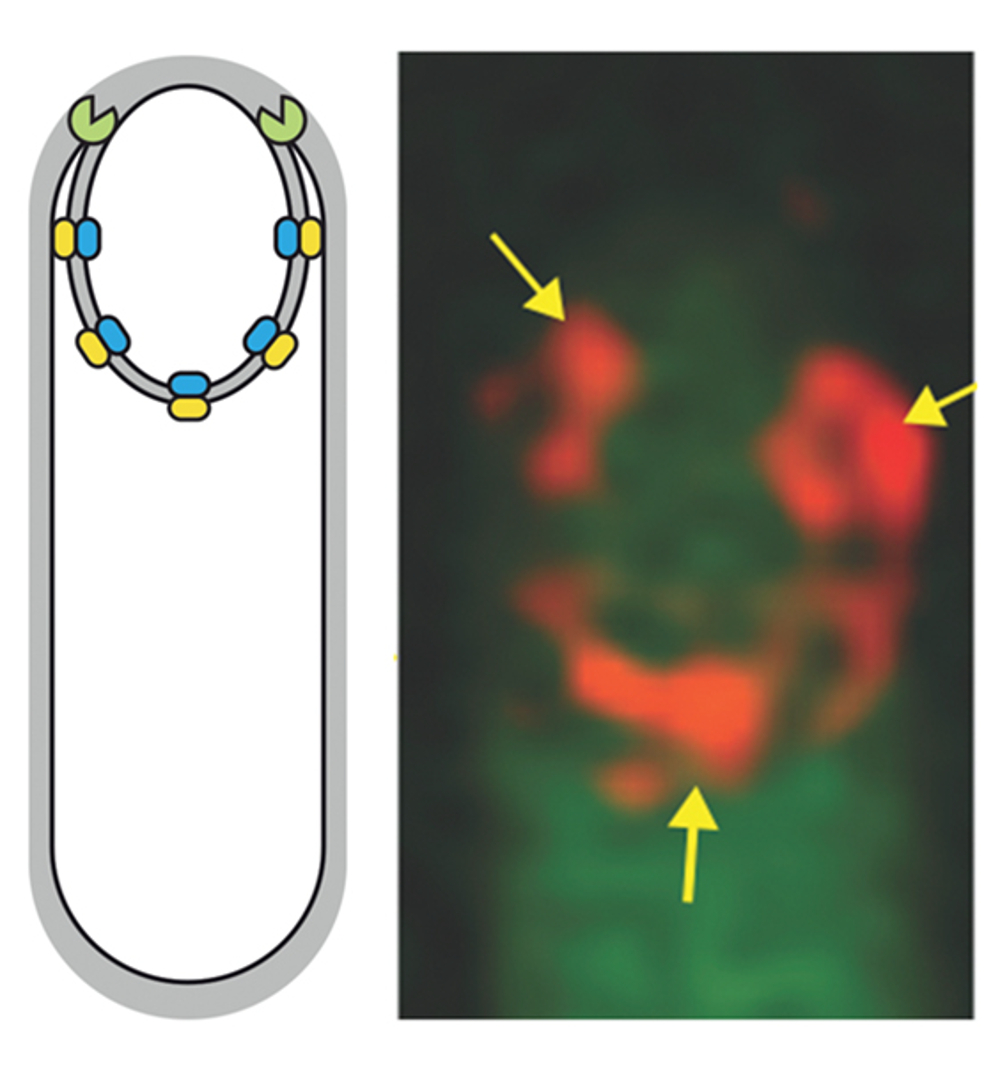
Molecular Microbiology, 2016
Abstract Engulfment of the forespore by the mother cell is a universal feature of endosporulation. …
Read More
I am absolutely thrilled to share that our latest research, “Evolutionary plasticity of …
Read More
It was October 19, 2001. In the wake of the 9/11 attacks in New York, safety measures in airports …
Read More
My first Clostridial conference: ClostPath 14 Paris, September 2025 As a student coming towards the …
Read More